Author: kokomi

  • Navigating Fortinet Support: A Comprehensive User’s Guide

    Navigating the complexities of network security requires reliable partners, and having robust fortinet support in place is often the difference between a minor hiccup and a major outage. As cyber threats evolve and network architectures become increasingly intricate, the ability to resolve issues quickly is paramount for any IT professional. Fortinet offers a vast ecosystem of support tools, yet many users only scratch the surface of what is available to them.

    Effective support management is not just about fixing things when they break; it is about proactive maintenance and leveraging expert knowledge to optimise your security posture. Whether you are managing a single firewall or a global SD-WAN deployment, understanding how to interact with the vendor’s support structure can save you countless hours of troubleshooting.

    This guide aims to demystify the Fortinet support landscape. From distinguishing between service tiers to crafting the perfect support ticket that gets immediate results, we will cover the essential steps to ensure your network remains secure and resilient. By the end of this post, you will have a clear roadmap for maximising the value of your support contracts and keeping your infrastructure running smoothly.

    Understanding FortiCare and FortiGuard Services

    Before diving into portals and tickets, it is crucial to understand the two pillars of Fortinet’s ecosystem: FortiCare and FortiGuard. While they often appear together on an invoice, they serve distinct purposes in keeping your network healthy.

    FortiCare: The Backbone of Hardware and Software Support

    FortiCare is the technical support service. It is what allows you to open tickets, download firmware updates, and process Return Merchandise Authorisation (RMA) requests for faulty hardware. Without an active FortiCare contract, you are essentially operating on an island, unable to update your device’s operating system or access technical assistance.

    There are typically different levels of FortiCare, ranging from 8×5 support (business hours) to 24×7 enterprise support. Knowing which level you have is vital during a crisis, as it dictates your Service Level Agreement (SLA) for response times.

    FortiGuard: Real-Time Threat Intelligence

    FortiGuard services, on the other hand, feed your devices with intelligence. This subscription provides the actual security updates—antivirus signatures, web filtering databases, intrusion prevention system (IPS) definitions, and anti-spam lists.

    Think of FortiCare as the mechanic who fixes the car, and FortiGuard as the fuel and navigation system that keeps it driving safely. You need both for a fully functional security strategy. If your FortiGuard license expires, your firewall will still pass traffic, but it will lose its ability to inspect that traffic against the latest known threats effectively.

    Accessing Fortinet Support Resources

    Fortinet provides a wealth of self-service resources that can often resolve issues faster than waiting for a support engineer. Knowing where to look is half the battle.

    The Support Portal

    The central hub for all your interactions is the Fortinet Support Portal. This is where you register devices, manage contracts, download firmware images, and create tickets. Familiarising yourself with the dashboard layout is essential. Ensure your asset lists are up to date; trying to log a critical ticket for a device that is still registered to a previous owner or listed under the wrong account can cause frustrating delays.

    The Knowledge Base and Documentation

    For technical configurations and troubleshooting, the Fortinet Document Library (docs.fortinet.com) is invaluable. It hosts administration guides, hardware manuals, and release notes for every version of FortiOS.

    Complementing this is the Knowledge Base (kb.fortinet.com), which contains specific “how-to” articles and technical notes written by support engineers. These articles often address specific error messages or edge-case scenarios that aren’t covered in the standard administrative guides. If you encounter a specific error log, pasting it into the Knowledge Base search bar is a great first step.

    Step-by-Step Guide to Submitting a Support Ticket

    When self-service isn’t enough, it is time to engage the experts. The quality of support you receive often depends on the quality of information you provide. Follow this process to ensure your ticket is routed correctly and actioned quickly.

    1. Log in to the Support Portal: Navigate to the support site and log in with your credentials.
    2. Select ‘Create a Ticket’: Choose the appropriate category. For most operational issues, this will be ‘Technical Support Ticket’.
    3. Input Serial Number: Enter the serial number of the affected device. This verifies your support contract status immediately.
    4. Define the Problem: Be precise. Instead of saying “Internet is slow,” specify “Users in VLAN 10 are experiencing high latency when accessing Office 365.”
    5. Select Severity: Be honest about the severity.
      • Severity 1 (Critical): Complete network outage affecting business operations.
      • Severity 2 (Major): High impact, but some functionality remains.
      • Severity 3 (Medium): Operational performance is impaired, but business continues.
      • Severity 4 (Minor): Information requests or cosmetic bugs.
    6. Attach Configuration and Logs: Always attach a configuration backup (sanitised if necessary) and relevant logs. This saves the engineer from having to ask for them in their first response.

    Tips for Effective Communication with Fortinet Support

    Once the ticket is open, maintaining clear communication helps drive the issue to resolution.

    • Provide a Network Diagram: A simple topology diagram helps the engineer understand where the FortiGate sits in your network (e.g., is it an edge firewall, an internal segmentation firewall, or sitting behind an ISP router?).
    • Be Responsive: If you log a Severity 1 ticket, ensure you have a contact person available to work with the engineer. If support requests logs and you take three days to reply, the priority of your ticket will naturally drop.
    • Enable Remote Access: If security policies permit, enabling remote access for the support engineer can drastically reduce resolution time. Fortinet has secure methods for this, preventing the need for generic open ports.
    • Reference Release Notes: If you suspect a bug, check the release notes for your firmware version. Citing a known bug ID in your ticket shows you have done your homework and helps route the ticket to advanced tier support faster.

    Troubleshooting Common Issues: A Practical Guide

    Before logging a ticket, running through a basic troubleshooting checklist can clarify the issue or even fix it entirely.

    Check Physical Layer and Connectivity

    It sounds basic, but ensure cables are seated and interfaces are up. The command get system interface physical in the CLI (Command Line Interface) provides detailed status on link speed and duplex settings. Mismatches here are a common cause of intermittent packet loss.

    Review Resource Usage

    High CPU or memory usage can cause FortiGates to enter “conserve mode,” where they stop processing certain traffic to save themselves. Use the dashboard widget or CLI commands (get system performance status) to check current load. If the device is maxing out, identify which process is consuming resources.

    The Life of a Packet

    The most powerful tool in your arsenal is the packet sniffer and debug flow.

    • Sniffer: diagnose sniffer packet allows you to see if traffic is hitting the interface.
    • Debug Flow: diagnose debug flow is deeper; it tells you why the firewall made a decision (e.g., “denied by policy 4” or “routing check failed”).
      Learning these two commands will allow you to answer the ultimate question: “Is it the firewall, or is it the application?”

    Leveraging the Fortinet Community for Additional Support

    Sometimes the best advice comes from peers who have faced the same challenges. The Fortinet Community (fuse community) is a vibrant forum of network architects, sysadmins, and security professionals.

    This is an excellent venue for “How do I?” questions that might not be strict break-fix scenarios suitable for official support. For example, if you are planning a migration or wondering about the stability of a new firmware release, the community can provide real-world feedback that official documentation might lack.

    Additionally, checking the forums can alert you to widespread issues. If a bad signature update has just been released, you will often find out about it on the forums before an official advisory lands in your inbox.

    Maximising Your Support Experience

    Navigating Fortinet support effectively is a skill that pays dividends in uptime and peace of mind. By keeping your FortiCare and FortiGuard contracts active, utilising the self-service portals, and mastering the art of the detailed support ticket, you transform support from a safety net into a strategic asset.

    Remember, the goal is not just to fix problems as they arise, but to understand your security infrastructure deeply enough to prevent them. Take the time to register your devices, explore the knowledge base, and bookmark the documentation library. When the pressure is on and the network is down, you will be thankful for the preparation.


  • How to Do Effective Google Ads Services in Malaysia: A Complete Practical Guide

    How to Do Effective Google Ads Services in Malaysia: A Complete Practical Guide

    Google Ads has become one of the most effective digital marketing channels for Malaysian businesses that want fast visibility, qualified leads, and measurable returns. However, running ads without a structured strategy often leads to wasted budgets and poor conversions. To achieve consistent success, businesses must implement effective Google Ads services in Malaysia with a clear, data-driven approach.

    This guide explains exactly how to plan, launch, optimise, and scale Google Ads campaigns that deliver real results in the Malaysian market.

    Understanding the Malaysian Google Ads Landscape

    Malaysia’s digital ecosystem is highly competitive and mobile-driven. Consumers search in English, Bahasa Malaysia, and sometimes bilingual phrases. This makes keyword intent and localisation critical.

    An effective Google Ads service must consider:

    • Local search behaviour

    • Mobile-first user experience

    • Industry competition levels

    • Cost-per-click variations by city

    Ignoring these factors often results in low-quality traffic and high costs.

    Step 1: Define Clear Campaign Objectives

    Every successful Google Ads campaign starts with precise goals. Without clarity, optimisation becomes impossible.

    Common objectives include:

    • Lead generation

    • Online sales

    • Brand awareness

    • App downloads

    • Store visits

    Clear objectives help determine campaign type, bidding strategy, and success metrics.

    Step 2: Perform Advanced Keyword Research

    Keyword research is the foundation of effective Google Ads services in Malaysia.

    Focus on High-Intent Keywords

    Target keywords that indicate readiness to buy or enquire, such as:

    • “service provider in Kuala Lumpur”

    • “best company near me”

    • “price for [service] Malaysia”

    Avoid broad, generic keywords that attract irrelevant clicks.

    Use Local Modifiers

    Include:

    • City names

    • State names

    • “near me” phrases

    This improves relevance and reduces wasted spend.

    Step 3: Structure Campaigns for Better Performance

    Proper campaign structure improves quality score and lowers cost-per-click.

    Best practices include:

    • One theme per campaign

    • Tight keyword grouping

    • Separate brand and non-brand campaigns

    • Dedicated campaigns for each service

    This structure improves ad relevance and conversion rates.

    Step 4: Write High-Converting Ad Copy

    Effective Google Ads services rely on compelling, relevant ad copy.

    Key Elements of Strong Ad Copy

    • Clear value proposition

    • Location-specific messaging

    • Strong call-to-action

    • Trust signals, such as experience or certifications

    Use ad extensions such as:

    • Call extensions

    • Location extensions

    • Sitelink extensions

    These increase visibility and click-through rates.

    Step 5: Optimise Landing Pages for Conversions

    Driving traffic without conversion optimisation is ineffective.

    Landing pages must:

    • Match ad messaging

    • Load quickly on mobile

    • Have clear calls-to-action

    • Include trust elements

    A focused landing page can significantly improve conversion rates without increasing ad spend.

    Step 6: Set Smart Bidding and Budget Controls

    Effective Google Ads services in Malaysia require controlled spending.

    Recommended approaches include:

    • Start with manual or enhanced CPC

    • Gradually transition to smart bidding

    • Allocate higher budgets to top-performing campaigns

    Monitor cost-per-lead and conversion value closely to ensure profitability.

    Step 7: Track Conversions Accurately

    Conversion tracking is essential for optimisation.

    Track actions such as:

    • Form submissions

    • Phone calls

    • WhatsApp clicks

    • Online purchases

    Accurate data allows Google’s algorithm to optimise for real business outcomes.

    Step 8: Continuous Monitoring and Optimisation

    Google Ads success depends on ongoing optimisation.

    Regular tasks include:

    • Pausing low-performing keywords

    • Adding negative keywords

    • Refining ad copy

    • Adjusting bids by location and device

    Without continuous improvement, performance declines quickly.

    Step 9: Use Audience Targeting and Remarketing

    Advanced Google Ads services use audience data to improve results.

    Strategies include:

    • Remarketing past website visitors

    • Targeting in-market audiences

    • Custom intent audiences

    These audiences convert at higher rates and reduce overall acquisition costs.

    Step 10: Analyse Reports and Scale What Works

    Data analysis drives long-term success.

    Key metrics to monitor:

    • Conversion rate

    • Cost per conversion

    • Quality score

    • Return on ad spend

    Scale budgets only on campaigns that demonstrate consistent profitability.

    Why Professional Google Ads Services Matter in Malaysia

    Many businesses fail with Google Ads due to a lack of expertise. Professional services provide:

    • Market-specific strategy

    • Advanced optimisation techniques

    • Better budget control

    • Transparent reporting

    Expert management often delivers higher ROI than self-managed campaigns.

    Conclusion

    Running effective Google Ads services in Malaysia requires more than setting up ads and hoping for clicks. It demands strategic planning, precise targeting, continuous optimisation, and accurate tracking. When executed correctly, Google Ads becomes a powerful growth engine that delivers consistent leads and measurable results.

    Businesses that follow a structured approach or work with experienced professionals gain a significant competitive advantage in Malaysia’s crowded digital marketplace.

    Frequently Asked Questions (FAQs)

    1. How long does it take to see results from Google Ads in Malaysia?

    Results can appear within days, especially for high-intent keywords and local searches.

    2. What budget is needed for effective Google Ads services in Malaysia?

    Budgets vary by industry, but effective campaigns can start small and scale based on performance.

    3. Are Google Ads better than SEO for Malaysian businesses?

    Google Ads delivers immediate results, while SEO builds long-term visibility. Both work best together.

    4. Should Google Ads target only Kuala Lumpur?

    Not necessarily. Campaigns should target areas where demand and conversion potential exist.

    5. Can small businesses manage Google Ads without an agency?

    Small campaigns can be managed in-house, but professional services often achieve better ROI through expertise and optimisation.

  • Gleneagles Kuala Lumpur’s Maternity & Gynaecology: Haven for New Mothers

    Gleneagles Kuala Lumpur’s Maternity & Gynaecology: Haven for New Mothers

    Nestled in the heart of Malaysia’s vibrant capital, Gleneagles Hospital Kuala Lumpur (GKL) stands as a beacon of advanced medical care, renowned particularly for its comprehensive women’s health services. For expectant mothers and couples embarking on the profound journey of parenthood, the hospital offers more than just medical expertise; it provides a holistic, reassuring, and personalised experience. Central to this promise are its meticulously designed maternity packages and a team of distinguished consultant gynaecologists and obstetricians, making it a premier choice for maternity care in the region.

    The Gleneagles Maternity Experience: Beyond a Package

    Choosing where to welcome your child is one of the most significant decisions a family can make. Gleneagles KL understands this intimately, crafting its maternity services to alleviate stress and focus on the joy of childbirth. The environment is carefully curated—from spacious, well-appointed private suites that feel more like a luxury hotel to a nurturing atmosphere that prioritises privacy, comfort, and family bonding.

    The hospital’s Maternity Packages are structured to provide clarity and comprehensive care. Typically, these packages cover the essential journey from antenatal to postnatal stages for normal delivery and Caesarean sections. They are designed to be transparent, helping families plan financially without surprises. A standard package often includes:

    • Antenatal Care: Regular check-ups and consultations with your designated consultant.

    • Labour & Delivery: Use of the delivery suite, professional fees, and basic medications.

    • Postnatal Care: Nursing care for both mother and baby, accommodation in a private room, and daily meals.

    • Newborn Care: Essential vaccinations, routine screening tests, and paediatric consultation.

    • Support Services: Breastfeeding guidance from lactation consultants and parenting classes.

    What sets GKL apart is its flexibility; packages can often be tailored, with optional add-ons for longer stays, enhanced room categories, or additional wellness therapies. The emphasis is on creating a “hassle-free” experience where clinical excellence and compassionate care converge.

    The Pillars of Care: GKL’s Consultant Gynaecologists & Obstetricians

    The true heart of Gleneagles KL’s maternity success lies in its team of specialist gynaecologists. These are not just medical practitioners but highly regarded experts in their field, many with decades of experience and sub-specialty training in areas like fetal medicine, infertility, and high-risk pregnancies.

    Patients have the privilege of choosing their consultant, allowing for a relationship built on trust and personal rapport. These specialists are known for their patient-centric approach, taking time to explain procedures, discuss birth plans, and address any anxieties. They practice evidence-based medicine while respecting the personal choices of the mother, whether it’s a natural birth plan, a planned C-section, or managing complex pregnancy conditions.

    The consultants work seamlessly with a multidisciplinary team of neonatologists, anaesthetists, midwives, and nurses dedicated to the Women & Children’s Centre. This collaborative ecosystem ensures that every possible scenario is managed with expertise, from a routine delivery to an unexpected complication. The presence of a Level III Neonatal Intensive Care Unit (NICU) on-site, manned 24/7 by specialist neonatologists, provides an unparalleled safety net for newborns needing critical care.

    A Seamless Journey from Conception to Postnatal Support

    Gleneagles KL’s care continuum extends beyond the delivery room. The hospital offers a full spectrum of gynaecological services, making it a one-stop centre for women’s health. This includes fertility assessments and treatments, advanced laparoscopic (keyhole) surgeries for conditions like fibroids or endometriosis, and routine well-woman screenings.

    Postnatal support is a cornerstone of their service. New mothers receive dedicated guidance on recovery, breastfeeding, and newborn care. The availability of lactation consultants is a significant benefit, helping to overcome initial challenges and establish successful breastfeeding. This wraparound care ensures that families feel supported not just medically, but emotionally and educationally, as they transition into their new lives.

    In conclusion, the Gleneagles Kuala Lumpur maternity package is more than a list of services; it is a gateway to a supported, secure, and celebrated birth experience. Backed by some of the nation’s most respected gynaecologists and a world-class facility, it offers peace of mind in one of life’s most momentous chapters. For those seeking a blend of clinical sophistication, compassionate care, and holistic support, Gleneagles KL stands out as a trusted haven for new beginnings.

    Frequently Asked Questions (FAQs)


    1. What is typically included in a Gleneagles KL normal delivery maternity package?
    A standard normal delivery package usually encompasses antenatal consultations, use of the delivery suite, professional fees for the obstetrician and paediatrician, a specified number of nights in a private room for the mother, all meals, routine medications, nursing care, and basic newborn care (including vaccinations and screenings). It’s essential to review the specific inclusions and exclusions with your consultant and the hospital’s billing department beforehand.

    2. Can I choose my own gynaecologist at Gleneagles KL, and how do I select one?
    Yes, you have the freedom to choose your consultant gynaecologist. Gleneagles KL’s website features detailed profiles of its specialists, including their qualifications, areas of special interest, and languages spoken. It is advisable to schedule a preliminary consultation with one or more specialists to discuss your birth plan, ask questions, and see who you feel most comfortable with, as this is a very personal partnership.

    3. Does the package cover emergency situations or complications requiring a Caesarean section?
    Standard packages are specific to either normal delivery or elective Caesarean section. If an unplanned C-section or additional medical intervention becomes necessary, charges will typically be adjusted accordingly. It is crucial to discuss this possibility with your doctor and understand the potential cost implications. The hospital and doctors will always prioritise the health and safety of mother and baby above all.

    4. Are there any hidden costs not covered in the maternity package?
    Gleneagles KL aims for transparency. Costs not usually covered in the base package can include specific medications outside the routine list, additional diagnostic tests, extended hospital stays beyond the package nights, upgraded room categories, and certain paediatrician visits or newborn procedures if complications arise. A detailed pre-admission briefing will help clarify all potential charges.

    5. What postnatal support is available for new mothers at the hospital?
    Comprehensive postnatal support is a key feature. This includes daily rounds by your obstetrician and paediatrician, dedicated nursing care, access to certified lactation consultants for breastfeeding guidance, and nutritional advice. The hospital also often provides educational materials and may offer classes on newborn care. This support is designed to equip you with the confidence and knowledge you need for the first days of parenting.

  • Your Step-by-Step Guide to Booking Easybook Bus Tickets from KL to Singapore

    Your Step-by-Step Guide to Booking Easybook Bus Tickets from KL to Singapore

    Travelling from Kuala Lumpur to Singapore has become more convenient than ever, thanks to the availability of modern, comfortable, and affordable bus services. Whether you’re visiting Singapore for a weekend holiday, business meeting, or family trip, taking the bus is one of the most popular and cost-effective ways to travel. The journey is smooth, the buses are comfortable, and the online booking process is incredibly simple—especially when you choose to book Easybook’s bus tickets to Singapore from KL.

    This comprehensive guide will take you through every step of the booking process, explain the benefits of choosing Easybook, and offer useful travel tips to make your cross-border journey seamless.

    Why Travel by Bus from KL to Singapore?

    Before diving into the booking steps, let’s look at why thousands of travellers choose to take the bus for this route.

    Affordable and Budget-Friendly

    Flying may be faster, but it’s not always economical. Airfare prices vary depending on the season, and hidden fees can add up. Bus travel, on the other hand, remains consistently affordable, making it ideal for frequent travellers, students, and families.

    Comfortable and Modern Coaches

    The buses serving the KL–Singapore route are equipped with features such as:

    • Spacious reclining seats

    • Air-conditioning

    • Legroom for long-distance comfort

    • Charging ports

    • Onboard entertainment (depending on the operator)

    Many premium buses even offer massage seats and personal screens, making the journey incredibly relaxing.

    Multiple Pick-Up and Drop-Off Points

    Buses depart from various convenient KL locations such as:

    • Terminal Bersepadu Selatan (TBS)

    • Berjaya Times Square

    • One Utama

    • KL Sentral

    In Singapore, buses drop passengers at key points like:

    • Golden Mile Tower

    • Bugis

    • City Plaza

    • HarbourFront

    • Jurong East

    • Woodlands Checkpoint

    This makes it easy to choose a departure and arrival point that suits your travel plans.

    Direct, Hassle-Free Travel

    Unlike flights that require early check-ins, long security lines, and airport transfers, buses allow you to board quickly and travel directly to city areas—saving both time and energy.

    Why Book Through Easybook?

    Easybook is Southeast Asia’s largest online ticketing platform for buses, trains, ferries, and car rentals. It has earned the trust of millions of users due to its simplicity, reliability, and transparency. When you book Easybook’s bus tickets to Singapore from KL, you enjoy numerous advantages:

    Wide Selection of Bus Operators

    Easybook lists dozens of trusted bus companies on this major route, including:

    • Transtar Travel

    • KKKL Express

    • 707 Inc

    • Sri Maju

    • Aeroline

    You can compare operators, prices, bus types, and schedules—all in one place.

    Real-Time Availability

    Easybook displays live seat availability and schedules, so you always know which buses are running and which seats are open.

    User-Friendly Platform

    The interface is simple, clear, and accessible whether you’re booking on mobile or desktop. Even first-time users find the process easy.

    Secure Online Payments

    Easybook offers a variety of safe payment options, including:

    • Credit and debit cards

    • Online banking

    • E-wallets like Touch ‘n Go, GrabPay, Boost

    • International payment methods

    You can book confidently knowing your transaction is protected.

    Instant E-Ticket Delivery

    Once your booking is confirmed, your e-ticket is emailed to you immediately. No printing is required—simply show the digital ticket when boarding.

    Step-by-Step Guide to Booking Your Bus Ticket

    Here’s a detailed breakdown of how to book Easybook’s bus tickets to Singapore from KL quickly and conveniently.

    Step 1: Visit the Easybook Website or App

    Open your browser and go to the Easybook website, or download the Easybook app from Google Play or the App Store. Both options provide the same features.

    Step 2: Enter Your Travel Details

    On the homepage, you’ll find a booking form. Fill in:

    • From: Kuala Lumpur

    • To: Singapore

    • Date: Select your departure date

    • Passengers: Indicate the number of travellers

    Click the “Search” button to see the list of available buses.

    Step 3: Compare Bus Options

    Easybook will display a list of all available buses. You can compare:

    • Departure times

    • Arrival points

    • Ticket prices

    • Bus operator names

    • Seat types (VIP, double-decker, executive coach)

    Use the filters to sort by price, departure time, or bus operator for easier browsing.

    Step 4: Select Your Preferred Bus

    Once you find a bus that suits your schedule and budget, click on it to view seat availability. You’ll be taken to a page displaying the seating layout.

    Step 5: Choose Your Seat

    Click on your preferred seat(s). Many travellers prefer window seats for comfort, while families may want seats close together.

    Step 6: Fill In Passenger Details

    Provide basic information, such as:

    • Name

    • Phone number

    • Email address

    Ensure your details are correct so you receive your ticket without delays.

    Step 7: Make Payment

    Select your preferred payment method and complete your transaction securely. Payment confirmation usually appears within seconds.

    Step 8: Receive Your E-Ticket

    After payment, your e-ticket will be emailed instantly. Some operators also offer PDF tickets or QR code boarding passes. You don’t need to print anything—just show your digital ticket during boarding.

    Tips for a Hassle-Free KL to Singapore Bus Journey

    To make your journey smoother, keep these tips in mind:

    Arrive Early

    It’s recommended to arrive at your departure point 30–45 minutes before the scheduled time. KL departure points, especially TBS, can be busy during peak seasons.

    Bring Your Passport and Documents

    Remember, this is an international trip. Ensure you have:

    • A valid passport

    • Completed Singapore arrival card (SGAC)

    • Any required travel documents

    Pack Light

    Space on buses is usually sufficient, but traveling light makes customs and immigration checks quicker.

    Choose Your Travel Time Wisely

    • Early morning buses minimize traffic delays.

    • Night buses allow you to sleep through the journey.

    • Mid-day buses are great for relaxed travellers.

    Choose according to your comfort and arrival plans.

    Be Prepared for Immigration Stops

    Buses will stop twice:

    • At the Malaysia checkpoint

    • At the Singapore checkpoint

    Keep your belongings organized to move through checkpoints efficiently.

    Why Booking Early Matters

    The KL–Singapore route is one of the busiest in Southeast Asia. Tickets often sell out during:

    • School holidays

    • Public holidays

    • Weekends

    • Festive seasons like Chinese New Year and Hari Raya

    Booking early ensures:

    • Better seat selection

    • More schedule choices

    • Lower fares

    • A stress-free journey

    Using Easybook makes early booking effortless and convenient.

    Final Thoughts

    Travelling from KL to Singapore by bus is one of the most practical, affordable, and comfortable ways to make the journey. With modern coaches, flexible schedules, and convenient city-to-city travel, buses offer far less hassle than flying or driving. And with Easybook’s seamless online platform, you can book Easybook’s bus tickets to Singapore from KL in just a few minutes.

    Whether you’re travelling for business, family visits, shopping, or a weekend escape, Easybook ensures a smooth start to your journey. Book early, travel comfortably, and enjoy everything Singapore has to offer. Safe travels!

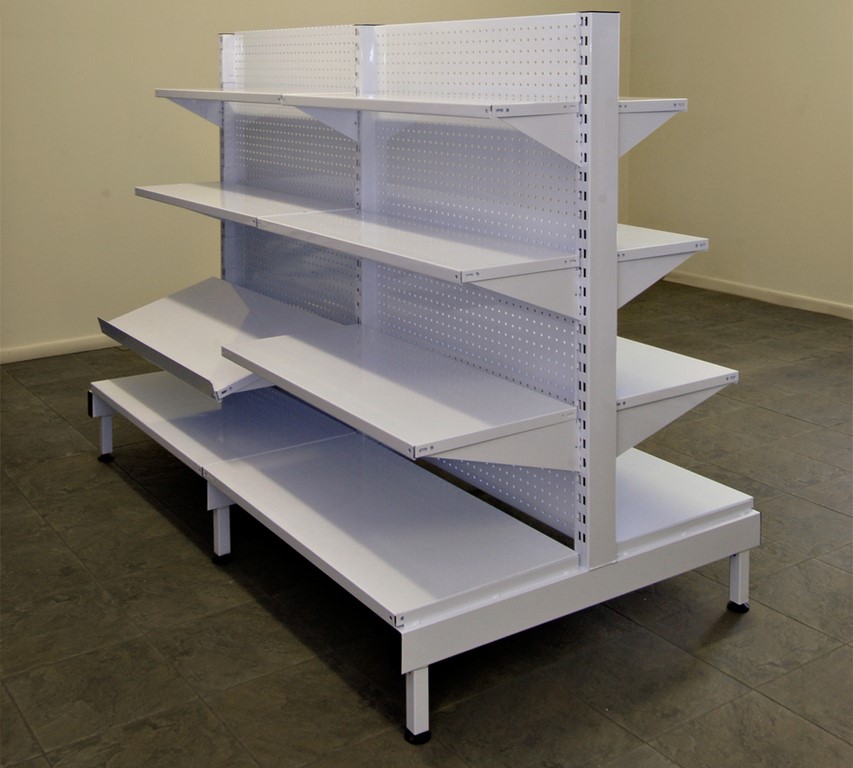
  • A Guide to Selecting the Right Gondola Rack Supplier

    A Guide to Selecting the Right Gondola Rack Supplier

    The foundation of any successful retail space is its ability to present products clearly, accessibly, and securely. At the heart of this presentation lies the gondola rack, the versatile, freestanding shelving system found in virtually every type of store, from bustling supermarkets to boutique specialty shops. However, the process of sourcing these essential fixtures can be a complex journey. The market is filled with a variety of gondola rack suppliers, each with different strengths, specializations, and business models. Choosing the right supplier is not merely a transaction; it is a strategic partnership that will impact your store’s efficiency, aesthetics, and bottom line for years to come.

    Understanding the landscape of suppliers and knowing how to evaluate them is the key to making an informed and profitable decision. This guide will walk you through the types of suppliers available and the critical factors to consider before signing on the dotted line.

    The Supplier Spectrum: Understanding Your Options

    Not all suppliers are created equal. They generally fall into three main categories, each with distinct advantages and considerations.

    1. The Direct Manufacturer
    These are companies that design, engineer, and fabricate the gondola racks themselves. They operate their own factories and control the entire production process.

    • Pros:

      • Greater Customization: They can often accommodate highly specific requests for dimensions, colours, and accessories.

      • Cost Control: By cutting out the middleman, they can sometimes offer more competitive pricing, especially on large orders.

      • Quality Assurance: Direct control over materials and production typically leads to more consistent quality.

      • Technical Expertise: Their deep product knowledge allows them to provide expert advice on complex layouts and load requirements.

    • Cons:

      • Higher Minimums: Some manufacturers may have high minimum order quantities (MOQs).

      • Less Stock Availability: They may focus on made-to-order production, leading to longer lead times for standard items.

    2. The Distributor or Importer
    These suppliers do not manufacture the products themselves. Instead, they purchase large quantities from manufacturers (often overseas) and resell them to local businesses.

    • Pros:

      • Wide Product Range: They may carry multiple brands or product lines, offering more variety.

      • Faster Availability: They often hold ready stock of popular models for quick delivery.

      • Regional Support: They provide a local point of contact for sales and potentially service.

    • Cons:

      • Limited Customization: You are generally limited to the standard options and colours they carry.

      • Potential for Lower Quality: Their primary focus is on cost-effective sourcing, which can sometimes mean lighter-gauge steel or less durable finishes.

      • Less Technical Knowledge: Their expertise may be more in sales than in engineering.

    3. The Full-Service Solution Provider
    This is a hybrid model, often a larger local manufacturer or a highly integrated distributor that offers an end-to-end service. A prime example in the Malaysian market is EMTS, which manufactures its own products but also provides comprehensive design and installation services.

    • Pros:

      • Turnkey Service: They manage everything from initial space planning and CAD design to delivery and professional installation.

      • Single Point of Accountability: You have one company responsible for the entire project, simplifying communication and problem-solving.

      • Value-Added Services: Their consultation can optimize your store layout for both customer experience and operational efficiency.

    • Cons:

      • Potentially Higher Cost: The comprehensive service bundle may come at a premium compared to a basic supplier.

    Key Evaluation Criteria: How to Choose the Right Partner

    Beyond their business model, you must assess suppliers on several critical performance indicators.

    1. Proven Quality and Durability:
    Request samples or, ideally, visit a live installation. Examine the steel thickness (gauge), the robustness of the welds, and the quality of the powder coating. A flimsy feel or a thin, easily chipped finish is a major red flag. A reputable supplier will be transparent about their material specifications.

    2. Range of Offerings and Customization:
    Do they only offer a few standard sizes, or can they tailor the height, depth, and finish to match your brand? Can they provide a full suite of accessories, from solid shelves and pegboards to integrated lighting? Your ability to adapt and grow your store depends on this flexibility.

    3. Service and Support Infrastructure:
    The sale is only the beginning. Inquire about their process. Do they provide layout assistance? What are their delivery and installation procedures? Crucially, what does their after-sales support and warranty look like? A strong warranty (e.g., 5 years on structure, 1-2 years on finish) signals confidence in their product.

    4. Reputation and Reliability:
    Research their track record. How long have they been in business? Can they provide case studies or references from clients in your industry? A supplier with a long history, like EMTS, has likely navigated countless challenges and refined their processes, making them a more reliable partner.

    5. Overall Value, Not Just Price:
    While budget is always a consideration, the cheapest option is often the most expensive in the long run. Calculate the Total Cost of Ownership (TCO). A slightly higher initial investment in a quality rack from a full-service supplier will pay dividends through years of trouble-free service, avoiding the costs of premature replacement, constant repairs, and a shabby store image.

    Making the Strategic Choice

    Selecting a gondola rack supplier is a foundational business decision. By understanding the types of suppliers, rigorously evaluating them on quality, service, and value, and seeking a partner rather than just a vendor, you can ensure your investment builds a retail environment that is not only functional today but also adaptable for future successes. The right supplier doesn’t just sell you shelves; they help you construct the stage upon which your products can shine.

    Frequently Asked Questions (FAQs)

    1. What is the main difference between a manufacturer and a distributor?
    A manufacturer produces the gondola racks themselves, controlling the factory and production process. This often allows for greater customization and direct quality control. A distributor (or importer) purchases racks from various manufacturers and resells them. They may offer faster delivery on standard items, but typically have less flexibility for custom orders and may not have the same depth of technical knowledge.

    2. How can I verify a supplier’s quality claims without being an engineer?
    You don’t need to be an expert. Use these practical steps:

    • Request a Sample: Ask for a shelf bracket or a small section of an upright. Feel its weight, try to bend it, and check the finish.

    • Ask for Specifications: Request the steel gauge (e.g., 16-gauge is thicker and stronger than 20-gauge) and the type of finish (epoxy powder coat is best).

    • Visit a Showroom or Client Store: See a fully assembled unit. Shake it. Is it sturdy? Look for clean welds and a smooth, even paint finish.

    3. We are a new, small store. Will major suppliers be interested in our business?
    This depends on the supplier. Some large manufacturers have high minimum order values. However, many reputable suppliers, including full-service providers, cater to businesses of all sizes. They may have standard product lines that are cost-effective for smaller stores or offer phased implementation plans. It’s always best to be upfront about your budget and volume—a good supplier will be honest about whether they can meet your needs.

    4. What are the hidden costs I should watch out for?
    When comparing quotes, ensure they are itemized. Hidden costs can include:

    • Essential Parts: Shelf clips, price channel moulding, or end caps listed as extras.

    • Delivery and Logistics: Especially for locations outside major urban centers.

    • Installation: This is often a separate charge but is highly recommended.

    • Customization Fees: For non-standard colours or sizes.
      Always ask for a “all-in” final quotation.

    5. Why is a local supplier often a better choice than importing directly?
    While direct importing can seem cheaper, local suppliers offer significant advantages:

    • No Hidden Import Costs: You avoid customs duties, port fees, and complex logistics.

    • Shorter Lead Times: Local production or stock means faster delivery.

    • Easier Communication: No language barriers or time-zone differences.

    • Accountability and Support: If there’s a problem with delivery or quality, you have a local entity to hold accountable and provide support, which is much more challenging with an overseas factory.

  • How Smile Dental Clinics Are Redefining Patient Experience

    The traditional image of a dental visit is often one of sterile, intimidating rooms and a sense of underlying anxiety. For decades, the experience was more clinical than comforting, focusing solely on the procedure rather than the person in the chair. However, a new wave of dental practices is actively working to dismantle this outdated perception. They are transforming the patient journey from a source of dread into a positive, empowering, and even pleasant experience.

    These forward-thinking practices are not just fixing teeth; they are redesigning the entire dental care model around the patient. By integrating advanced technology, prioritising comfort, and fostering a culture of open communication, modern clinics are setting a new standard. This article explores how these clinics are redefining the patient experience, making dental care more engaging, personalised, and stress-free than ever before.

    Beyond the Drill: Creating a Welcoming Atmosphere

    The transformation begins the moment a patient walks through the door. The cold, clinical waiting rooms of the past are being replaced with spaces designed to put people at ease.

    Comfort as a Standard of Care

    Instead of generic posters and uncomfortable chairs, these clinics feature thoughtfully designed interiors. Think calming colour palettes, comfortable seating, and amenities more commonly found in a spa or a high-end lounge. Many offer complimentary beverages like coffee or herbal tea, free Wi-Fi, and soothing background music.

    This focus on creating a tranquil environment is a deliberate strategy. By reducing the sensory triggers associated with clinical settings, these practices help lower patient anxiety before the appointment even begins. The message is clear: your comfort is a priority, not an afterthought.

    A Human-Centred Welcome

    The shift also extends to the staff. The front-desk team is trained not just in administration but in hospitality. They greet patients with genuine warmth, answer questions patiently, and manage appointments with efficiency and a personal touch. This friendly first impression sets a positive tone for the entire visit, making patients feel valued and respected from the outset.

    Technology That Empowers the Patient

    One of the most significant changes in modern dental clinics is the use of technology, not just for treatment, but also for patient education and engagement. Digital tools are breaking down the wall between dentist and patient, creating a more collaborative relationship.

    Seeing What the Dentist Sees with Intraoral Cameras

    A key innovation is the intraoral camera. This small, wand-like device allows dentists to display high-resolution images of a patient’s teeth on a screen in real-time. Suddenly, abstract terms like “incipient decay” or “hairline fracture” become visible realities.

    When patients can see exactly what the dentist is talking about, they gain a deeper understanding of their own oral health. This visual evidence fosters trust and empowers them to take an active role in their treatment decisions. It transforms the appointment from a passive experience into an educational one.

    Planning the Future with 3D Scans and Smile Simulations

    The days of messy, goopy dental impressions are numbered. Intraoral 3D scanners create a precise digital model of the mouth in minutes, without any discomfort. This technology is foundational for treatments like crowns, bridges, and clear aligners.

    Even more exciting is the ability to use these scans for treatment simulations. For cosmetic or orthodontic procedures, dentists can show patients a virtual preview of their future smile. Seeing the result before the treatment even starts is a powerful motivator and helps manage expectations, giving patients confidence in their investment. A modern Smile Dental Clinic uses this technology to bridge the gap between a patient’s goals and the clinical plan.

    Personalised Care and Transparent Communication

    The modern dental philosophy recognises that every patient is unique, with their own history, anxieties, and goals. The one-size-fits-all approach is being abandoned in favour of highly personalised care plans and open dialogue.

    Listening Before Treating

    The initial consultation has evolved from a quick examination into a comprehensive conversation. Dentists now take the time to listen to a patient’s concerns, past experiences, and desired outcomes. This discussion forms the basis of a tailored treatment plan that aligns with the patient’s lifestyle, budget, and comfort level.

    This patient-first approach is especially important for those with dental anxiety. By understanding a patient’s fears, the dental team can implement strategies to make the experience more manageable. This might include explaining each step of a procedure, providing noise-cancelling headphones, or simply offering breaks when needed.

    No More Surprises: Transparency in Treatment and Cost

    A major source of stress for patients has always been uncertainty, both about the procedure itself and the final bill. Progressive dental clinics address this head-on with radical transparency.

    Dentists use the digital tools at their disposal to walk patients through the proposed treatment plan, explaining the “why” behind each recommendation. Following this discussion, the administrative team provides a clear, itemised breakdown of all costs. They explain insurance coverage and discuss flexible payment options, ensuring there are no financial surprises down the line. This transparency builds a strong foundation of trust and removes a significant barrier to care.

    A Focus on Prevention and Long-Term Partnership

    The redefined patient experience extends beyond treating existing problems. The ultimate goal is to shift the focus from reactive repairs to proactive, preventive care. Modern clinics aim to be long-term partners in a patient’s health journey.

    By educating patients about proper oral hygiene, diet, and the connection between oral health and overall wellness, they empower them to maintain their smiles for a lifetime. Regular check-ups become positive touchpoints for maintenance and education rather than dreaded appointments for drilling and filling. This partnership approach fosters loyalty and encourages patients to take ownership of their health.

    The New Standard of Dental Care

    The evolution of the dental clinic is about more than just new gadgets and nicer waiting rooms. It represents a fundamental shift in philosophy—one that places the patient’s emotional and physical well-being at the centre of everything.

    By creating a welcoming environment, leveraging technology for education, offering personalised care, and communicating with transparency, these clinics are successfully transforming public perception of dentistry. They are proving that a visit to the dentist can be a positive, comfortable, and empowering experience, setting a new and much-improved standard for the entire industry.

  • The Best Supplement Packaging Manufacturers in India

    The Best Supplement Packaging Manufacturers in India

    India’s supplement industry is booming, driven by a growing health-conscious population, rising disposable incomes, and increasing demand for nutraceuticals, vitamins, and wellness products. The market for dietary supplements in India is projected to reach USD 18 billion by 2025, up from USD 4 billion in 2020, according to industry reports. A critical yet often overlooked component of this growth is packaging—essential for preserving product efficacy, ensuring regulatory compliance, and enhancing consumer appeal. With supplements vulnerable to moisture, light, oxygen, and contaminants, high-quality packaging is a non-negotiable requirement.

    Supplement packaging manufacturers in India play a pivotal role in this ecosystem. They provide innovative solutions, such as blister packs, amber glass bottles, flexible pouches, and child-resistant containers, tailored for tablets, capsules, powders, and gummies. The sector benefits from India’s robust pharmaceutical infrastructure, cost-effective production, and adherence to global standards, including WHO-GMP, ISO, and FSSAI. Leading manufacturers are increasingly focusing on sustainability, incorporating recyclable materials and eco-friendly designs to meet consumer demands for green packaging.

    This article highlights the best supplement packaging manufacturers in India as of 2025, evaluating them based on innovation, quality certifications, market share, and customer feedback. We include Sonoco Asia as a key example, alongside other top players. These companies not only support domestic brands but also export to global markets, positioning India as a packaging powerhouse.

    Top Manufacturers and Their Strengths

    1. ACG World

    Headquartered in Mumbai, ACG World is a global leader in pharmaceutical and nutraceutical packaging, with a strong Indian footprint. Established in 1961, ACG specializes in blister packaging, aluminum foils, and high-barrier films, which are ideal for light-sensitive supplements such as omega-3s and vitamin C. Their camera-inspected foils ensure tamper-evidence and traceability, crucial for regulatory compliance. ACG’s innovations, such as anti-counterfeiting solutions, have earned them partnerships with major supplement brands. With ISO and USFDA approvals, ACG serves over 100 countries, offering end-to-end solutions from design to serialization. Their commitment to sustainability includes the use of recyclable PVC alternatives, making them a top choice for eco-conscious brands.

    2. UFlex Limited

    As India’s largest flexible packaging company, founded in 1985 and based in Noida, UFlex dominates the supplement sector with BOPET/BOPP films, laminated pouches, and aluminum foils. These materials provide excellent moisture and oxygen barriers, thereby extending the shelf life of powder-based supplements. UFlex’s HACCP- and ISO-certified facilities produce child-resistant and resealable options, which are popular for on-the-go products like protein shakes. Their eco-initiatives, including biodegradable films, align with the 2025 push for sustainable packaging. UFlex exports to over 140 countries and collaborates with global giants, boasting a 30% market share in flexible pharmaceutical packaging in India.

    3. EPL Limited (Essel Propack)

    Mumbai-based EPL, formerly Essel Propack, is a pioneer in laminated plastic tubes, ideal for gel-based or liquid supplements such as herbal extracts. With 20 global facilities, including key Indian plants, EPL produces recyclable HDPE tubes that meet USFDA standards. Their focus on innovation includes easy-open caps and UV-protective layers, enhancing product stability. EPL’s tubes are lightweight, reducing shipping costs—a boon for export-oriented supplement firms. Sustainability is at the core, with 100% recyclable materials and partnerships for the recovery of ocean-bound plastics. EPL serves 75% of the world’s top beauty brands and is expanding into nutraceuticals, capturing 25% of India’s tube packaging market.

    4. Huhtamaki India Ltd

    A subsidiary of the Finnish giant Huhtamaki, this Mumbai-headquartered firm excels in flexible and rigid packaging for supplements. Known for multilayer pouches and blister foils, Huhtamaki offers high-barrier solutions that prevent oxidation in probiotics and herbal capsules. Their ISO 15378-certified plants emphasize sterile production, vital for microbial-sensitive products. Recent innovations include smart packaging with QR codes for authenticity checks, appealing to premium supplement brands. Huhtamaki’s sustainability edge—utilizing 50% recycled content—has garnered accolades, and they supply to 40% of India’s top pharmaceutical exporters, including supplement divisions.

    5. Sonoco Asia

    Sonoco Asia, part of the US-based Sonoco Products Company, has been a key player in India since expanding its Asian operations in the early 2000s. With manufacturing facilities in Malaysia and a strong supply chain into India, Sonoco specializes in rigid paper containers and flexible packaging tailored for the supplements industry. Their composite cans and paperboard tubes offer superior protection against light and moisture, making them ideal for powdered vitamins or protein mixes. For instance, Sonoco’s EnviroSense range utilizes recyclable paperboard with foil liners, reducing plastic use by 70% while maintaining the same barrier properties. In the Indian market, Sonoco partners with nutraceutical firms for custom eco-friendly solutions, such as sustainable pouches for herbal supplements. Their membership in the Pet Sustainability Coalition extends to human supplements, emphasizing recyclable designs that comply with FSSAI norms. Sonoco’s global expertise, combined with localized adaptations like monsoon-resistant coatings, makes it a reliable choice for Indian brands exporting to humid climates. With a focus on “better packaging for a better world,” Sonoco holds a growing 15% share in India’s premium rigid packaging segment.

    6. West Pharmaceutical Services, Inc.

    Although US-headquartered, West’s Indian operations in Hyderabad focus on packaging injectable and oral supplements, including vials and stoppers for liquid nutraceuticals. Their USP-compliant glass and elastomer components ensure zero leaching, which is critical for maintaining purity. West’s innovations, like flip-top dispensers, enhance user experience for daily supplements. With a CAGR of 12% in Asia, the West is pivotal for high-end brands.

    7. Bilcare Limited

    Pune-based Bilcare, founded in 1987, leads in research-driven packaging like high-barrier polymer films and anti-counterfeit blisters for supplements. Their materials science expertise enables custom solutions for oxygen-sensitive products, backed by global patents. Bilcare’s cleanroom facilities meet EU-GMP standards, serving 20% of India’s export supplement market.

    Key Trends and Challenges

    The Indian supplement packaging landscape in 2025 is characterized by a shift toward sustainability, with over 60% of manufacturers now offering recyclable options in response to government mandates for plastic reduction. Digital integration, such as NFC tags for traceability, is increasing, alongside active packaging with oxygen scavengers. Challenges include raw material volatility and stringent import regulations, but localization efforts, as seen with Sonoco’s Asian expansions, mitigate these. Cost-effectiveness remains a key strength, with Indian manufacturers offering prices 20-30% lower than those of their global peers without compromising on quality.

    These firms drive innovation, from ACG’s serialization to Sonoco’s paper-based eco-solutions, ensuring supplements reach consumers intact and appealing. As the market grows, partnering with these leaders will be key for brands aiming to thrive.

    Frequently Asked Questions (FAQs)

    1. What makes Sonoco Asia a top choice for supplement packaging in India?
    Sonoco Asia excels in sustainable rigid paper containers and flexible pouches that offer high-barrier protection against light and moisture, making them ideal for supplements. Their eco-friendly EnviroSense™ solutions reduce plastic use while complying with FSSAI standards, making them suitable for export-oriented brands.

    2. How do Indian packaging manufacturers ensure compliance for supplements?
    Top manufacturers like ACG and UFlex adhere to WHO-GMP, ISO 15378, and USFDA standards, incorporating tamper-evident features, serialization, and sterile production to meet FSSAI and global export requirements.

    3. What sustainable packaging options are available from these manufacturers?
    Companies like EPL and Sonoco offer recyclable HDPE tubes, biodegradable films, and paperboard cans with up to 70% recycled content, aligning with India’s plastic waste management rules and consumer eco-preferences.

    4. Which manufacturer is best for flexible pouches in supplements?
    UFlex Limited leads with high-barrier BOPP films and resealable pouches, providing cost-effective, moisture-resistant solutions for powders and gummies, backed by HACCP certification.

    5. How has the supplement packaging market in India grown in 2025?
    The market has expanded at a 6.1% CAGR, reaching USD 3.4 billion by 2033, driven by pharma exports and demand for innovative, sustainable solutions from firms like Huhtamaki and Bilcare.

  • The Future of SEO in Malaysia: Trends to Watch for 2025

    The Future of SEO in Malaysia: Trends to Watch for 2025

    Search Engine Optimization (SEO) continues to evolve at a rapid pace, driven by changes in technology, search engine algorithms, and user behaviour. In Malaysia, where digital adoption is accelerating and businesses are investing more heavily in online marketing, SEO has become an essential tool for long-term success. As we move into 2025, companies are looking ahead to understand which trends will shape the future of SEO and how they can adapt to remain competitive.

    Whether you run an e-commerce store, a local business, or a corporate website, partnering with an SEO Company Malaysia can help you navigate these changes effectively. Let’s explore the emerging trends in SEO for 2025 and how businesses in Malaysia can prepare.

    The Rise of AI-Driven Search

    Artificial Intelligence (AI) is no longer a distant concept—it is already influencing how search engines deliver results. Google’s AI models, such as Rank Brain and BERT, are becoming more sophisticated at understanding natural language and user intent.

    By 2025, we can expect AI to play an even larger role in SEO. For Malaysian businesses, this means:

    • Content must be user-focused: Search engines will prioritize websites that answer user queries naturally and comprehensively.

    • Smarter keyword strategies: Traditional keyword stuffing will be ineffective. Instead, SEO will rely on semantic search and intent-based optimization.

    • Personalized search experiences: AI will tailor results based on individual preferences, location, and behaviour.

    An experienced SEO Company Malaysia can help brands adjust their content strategy to align with AI-powered algorithms.

    Voice Search Optimization

    With the increasing use of smart speakers, voice assistants, and mobile voice commands, voice search is expected to grow significantly in Malaysia by 2025. More people are speaking their queries instead of typing them.

    This shift changes the way businesses should optimize their websites:

    • Conversational keywords: Users are more likely to ask full questions, such as “Where can I find affordable halal restaurants in Kuala Lumpur?” rather than typing “halal restaurants KL.”

    • Local relevance: Voice searches are often location-based, making local SEO more important than ever.

    • Featured snippets: Optimizing content to appear as direct answers increases the chance of being the top voice search result.

    By adapting to voice search, businesses can capture a growing segment of mobile-first users in Malaysia.

    Mobile-First and User Experience (UX)

    Mobile devices dominate internet usage in Malaysia. Google has already switched to mobile-first indexing, meaning it primarily considers the mobile version of websites for ranking.

    In 2025, user experience (UX) will remain a top priority in SEO:

    • Fast loading times: Websites must be optimized for speed, especially on mobile networks.

    • Responsive design: Sites should adjust seamlessly across devices.

    • Core Web Vitals: Metrics such as loading performance, interactivity, and visual stability will directly impact rankings.

    An SEO Company Malaysia will focus heavily on technical SEO and UX improvements to ensure websites meet Google’s quality standards.

    The Importance of Local SEO

    As more Malaysians turn to online searches to discover nearby services and businesses, local SEO will remain a crucial focus in 2025.

    Key strategies for local SEO include:

    • Optimizing Google Business Profiles with accurate information.

    • Using local keywords such as “best café in Penang” or “lawyer in Johor Bahru.”

    • Encouraging customer reviews to build trust and credibility.

    • Leveraging location-based content marketing.

    For small and medium enterprises (SMEs) in Malaysia, local SEO provides a cost-effective way to attract nearby customers.

    Video and Visual Search

    Video continues to dominate online content consumption in Malaysia, with platforms like YouTube, TikTok, and Instagram gaining massive traction. Google also favors video results in SERPs, especially for how-to queries.

    By 2025, businesses that incorporate video into their SEO strategy will have a competitive edge. This means:

    • Creating video content that answers user questions.

    • Optimizing videos with relevant titles, descriptions, and tags.

    • Embedding videos on websites to improve engagement.

    • Leveraging visual search tools, where users can search using images rather than text.

    An SEO Company Malaysia can help businesses optimize video SEO and integrate visual search strategies into their digital marketing.

    Content Quality and E-E-A-T Principles

    Google continues to emphasize Experience, Expertise, Authoritativeness, and Trustworthiness (E-E-A-T) when ranking content. In 2025, content quality will be even more critical.

    For Malaysian businesses, this means:

    • Publishing well-researched, accurate, and original content.

    • Showcasing author credentials to build trust.

    • Avoiding thin, duplicate, or AI-generated content without value.

    • Updating old content to maintain relevance.

    An SEO Company Malaysia will likely provide content strategies that focus on long-term credibility and authority.

    Data Privacy and Ethical SEO

    With growing concerns about data privacy and regulations like GDPR influencing global SEO, Malaysian businesses should expect stricter guidelines by 2025.

    Search engines and users are both prioritizing websites that:

    • Are transparent about data collection.

    • Use ethical practices for link building and SEO.

    • Provide secure browsing with HTTPS.

    Businesses that adopt ethical SEO practices will earn trust and long-term visibility.

    Integration of SEO with Other Marketing Channels

    In 2025, SEO will no longer function in isolation. It will increasingly overlap with other digital marketing strategies, including:

    • Social media marketing: Social signals may indirectly influence SEO.

    • Content marketing: SEO-driven blogs, videos, and infographics will strengthen overall brand presence.

    • Paid ads: Combining SEO insights with PPC campaigns improves targeting.

    • Email marketing: SEO-optimized landing pages can enhance conversions from email campaigns.

    Working with an SEO Company Malaysia ensures businesses integrate SEO with a holistic digital marketing strategy.

    Automation and SEO Tools

    SEO is becoming more data-driven, and by 2025, automation will play a larger role. Tools powered by AI and machine learning will help with:

    • Keyword research.

    • Competitor analysis.

    • Performance tracking.

    • Content optimization.

    While automation can streamline tasks, human expertise remains essential for strategy and creativity. This is why many businesses will continue to rely on SEO agencies for balanced support.

    Preparing for Future Algorithm Updates

    Google frequently updates its algorithms, and this trend will continue in 2025. Instead of reacting after updates, businesses will need to focus on building sustainable SEO strategies.

    This involves:

    • Prioritizing high-quality content.

    • Maintaining technical excellence.

    • Building long-term authority.

    • Adapting quickly to industry changes.

    An SEO Company Malaysia with experience in handling algorithm shifts can provide the resilience businesses need.

    Conclusion

    The future of SEO in Malaysia is dynamic and full of opportunities. With trends like AI-driven search, voice optimization, mobile-first indexing, and local SEO shaping the landscape, businesses must stay proactive to remain competitive. Video marketing, ethical SEO, and integrated digital strategies will also play an increasingly important role.

    By partnering with a reliable SEO Company Malaysia, businesses can adapt to these emerging trends, ensure long-term visibility, and continue to attract the right audience in an ever-changing digital environment.

    SEO is no longer just about rankings—it’s about creating meaningful online experiences that connect with users, build trust, and drive growth. As 2025 approaches, the companies that embrace these trends will position themselves for success in Malaysia’s digital economy.

  • Mengapa Kitar Semula Penting? Kebaikan untuk Alam dan Ekonomi Malaysia

    Mengapa Kitar Semula Penting? Kebaikan untuk Alam dan Ekonomi Malaysia

    Isu pencemaran dan pengurusan sisa pepejal semakin mendapat perhatian di seluruh dunia, termasuk Malaysia. Dengan peningkatan populasi, pembangunan pesat, dan gaya hidup moden, jumlah sisa yang dihasilkan semakin tinggi setiap tahun. Menurut laporan Jabatan Pengurusan Sisa Pepejal Negara, rakyat Malaysia membuang ribuan tan sampah setiap hari, dan kebanyakannya berakhir di tapak pelupusan. Jika masalah ini tidak ditangani dengan baik, ia akan memberi kesan buruk kepada alam sekitar, kesihatan awam, dan ekonomi negara.

    Di sinilah pentingnya kitar semula. Amalan ini bukan sekadar langkah kecil, tetapi satu tindakan bijak yang mampu memberi kesan besar. Artikel ini akan membincangkan mengapa kitar semula penting serta meneliti secara terperinci kebaikan kitar semula di Malaysia, sama ada untuk alam sekitar mahupun ekonomi negara.

    Apa Itu Kitar Semula?

    Kitar semula ialah proses mengumpul, mengasingkan, dan memproses bahan buangan supaya dapat digunakan semula sebagai produk baharu. Antara bahan yang boleh dikitar semula termasuklah plastik, kertas, kaca, aluminium, logam, dan sisa elektronik.

    Amalan ini sering dikaitkan dengan konsep 3R – Reduce (kurangkan), Reuse (guna semula), dan Recycle (kitar semula). Walaupun kempen 3R telah lama diperkenalkan di Malaysia, tahap kesedaran masyarakat masih perlu dipertingkatkan agar lebih ramai rakyat benar-benar mengamalkan gaya hidup hijau.

    Kebaikan Kitar Semula di Malaysia

    1. Mengurangkan Sisa di Tapak Pelupusan

    Kitar semula dapat mengurangkan jumlah sisa yang dihantar ke tapak pelupusan. Dengan tanah yang semakin terhad, terutama di kawasan bandar, kitar semula membantu memanjangkan jangka hayat tapak pelupusan sedia ada. Hal ini juga mengurangkan pencemaran tanah dan air bawah tanah.

    2. Mengurangkan Pencemaran Alam Sekitar

    Sisa pepejal yang tidak diurus dengan baik boleh mencemarkan sungai, laut, udara, dan tanah. Plastik yang terbuang boleh mengancam hidupan laut, manakala pembakaran sampah terbuka menghasilkan asap berbahaya. Dengan mengamalkan kitar semula, kadar pencemaran dapat dikurangkan dengan ketara.

    3. Menjimatkan Sumber Semula Jadi

    Hutan, mineral, dan tenaga adalah sumber berharga yang semakin berkurangan. Dengan kitar semula, kita dapat mengurangkan pergantungan kepada sumber asli. Sebagai contoh, kitar semula kertas mengurangkan keperluan menebang pokok, manakala kitar semula logam mengurangkan aktiviti perlombongan.

    4. Menjimatkan Tenaga

    Menghasilkan produk baharu daripada bahan mentah memerlukan tenaga yang sangat tinggi. Sebaliknya, kitar semula menggunakan tenaga yang jauh lebih sedikit. Contohnya, kitar semula aluminium menjimatkan sehingga 95% tenaga berbanding menghasilkan aluminium daripada bijih bauksit.

    5. Mengurangkan Pelepasan Gas Rumah Hijau

    Selain menjimatkan tenaga, kitar semula juga mengurangkan pelepasan karbon dioksida yang menyumbang kepada pemanasan global. Malaysia boleh memainkan peranan penting dalam usaha global memerangi perubahan iklim dengan meningkatkan kadar kitar semula.

    6. Menyumbang kepada Ekonomi Negara

    Industri kitar semula berpotensi besar dalam menjana pendapatan negara. Ia mewujudkan peluang pekerjaan dalam sektor pengumpulan, pemprosesan, dan inovasi produk mesra alam. Malah, produk kitar semula kini mempunyai nilai pasaran yang tinggi, terutama dalam kalangan pengguna yang prihatin terhadap kelestarian.

    7. Membentuk Masyarakat Bertanggungjawab

    Apabila rakyat memahami kebaikan kitar semula di Malaysia, mereka akan lebih prihatin terhadap alam sekitar. Amalan ini membentuk gaya hidup lestari, seperti mengurangkan penggunaan plastik sekali guna dan menyokong produk mesra alam.

    Cabaran Kitar Semula di Malaysia

    Walaupun manfaatnya banyak, kitar semula masih berdepan pelbagai cabaran di Malaysia, antaranya:

    1. Kesedaran Rendah – Ramai rakyat tidak memahami kepentingan kitar semula atau cara mengasingkan sisa dengan betul. 
    2. Kekurangan Infrastruktur – Tidak semua kawasan mempunyai tong kitar semula atau pusat pengumpulan yang mencukupi. 
    3. Sikap Acuh Tak Acuh – Ada masyarakat menganggap kitar semula sebagai kerja tambahan yang membebankan. 
    4. Kos Tinggi – Pengurusan dan pemprosesan bahan kitar semula memerlukan kos yang tinggi, terutama dari segi logistik. 
    5. Pasaran Terhad – Produk kitar semula kurang mendapat sambutan, menjadikan industri ini sukar berkembang dengan stabil.

    Tindakan yang Perlu Diambil di Malaysia

    Untuk memastikan kitar semula benar-benar memberi impak, beberapa tindakan perlu dilaksanakan oleh kerajaan, industri, dan masyarakat:

    1. Pendidikan dan Kesedaran Awam

    Kempen berterusan melalui media massa, sekolah, dan komuniti penting untuk mendidik rakyat tentang manfaat kitar semula. Pendidikan sejak kecil mampu membentuk generasi yang lebih bertanggungjawab terhadap alam sekitar.

    2. Infrastruktur yang Lebih Baik

    Tong kitar semula yang jelas labelnya perlu disediakan di kawasan perumahan, pejabat, dan tempat awam. Akses mudah akan menggalakkan rakyat untuk mengasingkan sampah.

    3. Polisi dan Undang-Undang Tegas

    Kerajaan boleh memperkenalkan dasar mandatori untuk pengasingan sisa, serta mengenakan penalti kepada individu atau syarikat yang tidak mematuhi.

    4. Galakan Ekonomi

    Insentif seperti rebat cukai atau ganjaran tunai boleh diberikan kepada syarikat dan individu yang aktif dalam amalan kitar semula.

    5. Sokongan Industri Swasta

    Syarikat perlu mengamalkan Extended Producer Responsibility (EPR), iaitu mengambil tanggungjawab terhadap kitar semula produk dan pembungkusannya.

    6. Inovasi Teknologi

    Pelaburan dalam teknologi kitar semula moden dapat meningkatkan keberkesanan, mengurangkan kos, dan membuka peluang baharu dalam pasaran global.

    Peranan Individu dalam Menjayakan Kitar Semula

    Setiap rakyat Malaysia boleh memainkan peranan kecil tetapi berkesan:

    • Mengasingkan sisa pepejal mengikut kategori. 
    • Mengurangkan penggunaan plastik sekali guna. 
    • Membawa beg mesra alam ketika membeli-belah. 
    • Menghantar peralatan lama ke pusat kitar semula. 
    • Menyokong produk yang dihasilkan daripada bahan kitar semula. 

    Langkah mudah ini, jika dilakukan secara kolektif, mampu membawa impak besar kepada kelestarian negara.

    Kesimpulan

    Kitar semula bukan sahaja penting untuk mengurangkan sisa pepejal, tetapi juga memberi manfaat besar kepada alam sekitar dan ekonomi negara. Ia membantu menjimatkan sumber asli, mengurangkan pencemaran, menjimatkan tenaga, dan mewujudkan peluang ekonomi baharu.

    Walaupun terdapat cabaran, dengan kerjasama kerajaan, industri, dan rakyat, Malaysia boleh meningkatkan kadar kitar semula dan bergerak ke arah masa depan yang lebih hijau. Memahami kebaikan kitar semula di Malaysia adalah langkah pertama ke arah perubahan positif.

    Dengan tindakan kolektif, kita bukan sahaja dapat menjaga bumi untuk generasi kini, tetapi juga mewariskan sebuah alam sekitar yang lebih bersih, sihat, dan lestari untuk generasi akan datang.

  • From Day to Night: Versatile New Arrival Dresses for Every Occasion

    From Day to Night: Versatile New Arrival Dresses for Every Occasion

    Dresses are more than just a fashion staple; they’re a symbol of versatility, elegance, and effortless style. In Malaysia, where life often blends professional commitments, casual outings, and vibrant social events, women value outfits that can seamlessly transition from day to night. One of the most exciting aspects of exploring new arrival dresses for ladies in Malaysia are finding designs that are adaptable for multiple occasions.

    This article highlights how to style versatile dresses for daytime comfort and evening sophistication, ensuring your wardrobe works for you around the clock.

    Why Versatility Matters in Fashion

    Versatile clothing has become increasingly important for modern women. With busy schedules, few want to change multiple outfits in a single day. Instead, the focus is on dresses that can transition with minor tweaks:

    • Practicality: One dress can serve for work, casual outings, and dinner dates.

    • Affordability: Investing in adaptable pieces reduces the need for buying separate outfits.

    • Sustainability: Wearing one item in multiple ways supports eco-conscious living.

    • Confidence: A well-chosen dress allows you to feel comfortable and stylish in any setting.

    This is why new arrival dresses for ladies in Malaysia often feature timeless silhouettes and versatile colours, making them ideal for day-to-night styling.

    Choosing the Right Dress for Versatility

    When looking for dresses that can transition seamlessly, focus on:

    1. Neutral or Solid Colours: Black, navy, beige, and jewel tones adapt easily.

    2. Classic Silhouettes: Wrap dresses, shift dresses, and A-line cuts are universally flattering.

    3. Comfortable Fabrics: Cotton, linen, rayon, and satin blends work for Malaysia’s tropical climate.

    4. Minimal Details: Avoid overly bold prints if you want maximum styling flexibility.

    Styling Tips: Transitioning Dresses from Day to Night

    Here’s how to make the most of your dresses by adapting them for different times of the day.

    1. The Wrap Dress

    Daytime Look:

    • Pair with flats or sneakers for errands or a casual office setting.

    • Add a light denim jacket for a relaxed vibe.

    • Keep accessories minimal—stud earrings or a slim watch.

    Evening Look:

    • Swap flats for strappy heels.

    • Add a statement necklace or bold earrings.

    • Carry a clutch bag and apply a bold lipstick shade for instant glamour.

    2. The Shift Dress

    Daytime Look:

    • Pair with loafers or ballet flats for a professional appearance.

    • Layer with a blazer for business meetings.

    • Opt for a tote bag to maintain practicality.

    Evening Look:

    • Switch to pointed heels or ankle boots.

    • Add a metallic belt to cinch the waist.

    • Swap your tote for a sleek shoulder bag.

    3. The Maxi Dress

    Daytime Look:

    • Style with sandals or wedges.

    • Add a straw hat and cross-body bag for a casual, Bohemian look.

    • Keep makeup light and natural.

    Evening Look:

    • Transition to block heels or embellished sandals.

    • Accessorize with layered necklaces or chandelier earrings.

    • Carry a satin clutch to elevate the outfit.

    4. The Shirt Dress

    Daytime Look:

    • Pair with sneakers or low-heeled sandals.

    • Add a belt bag for hands-free practicality.

    • Roll up the sleeves for a more relaxed feel.

    Evening Look:

    • Wear with stilettos or heeled boots.

    • Add a wide belt to define the waist.

    • Layer with bold jewellery and switch to a structured handbag.

    5. The Slip Dress

    Daytime Look:

    • Layer over a t-shirt for a casual, youthful vibe.

    • Pair with sneakers or flats.

    • Add a cardigan for extra comfort.

    Evening Look:

    • Remove the t-shirt and style the slip dress solo.

    • Pair with strappy heels and delicate jewellery.

    • A smoky eye look or red lipstick adds instant evening glamour.

    6. The Midi Dress

    Daytime Look:

    • Pair with kitten heels or loafers.

    • Add a lightweight scarf for a polished touch.

    • Use a large tote bag to complete the outfit.

    Evening Look:

    • Switch to pointed pumps.

    • Add a blazer or cropped jacket for sophistication.

    • Swap the tote for a clutch or small shoulder bag.

    Accessory Swaps to Elevate Your Look

    The easiest way to take new arrival dresses for ladies in Malaysia from day to night is through accessories:

    1. Shoes: Switch from flats or sneakers to heels or embellished sandals.

    2. Bags: Transition from a tote or cross-body to a clutch or structured handbag.

    3. Jewellery: Minimal studs for day, statement earrings or layered necklaces for night.

    4. Outerwear: Light jackets or cardigans for day, structured blazers or shawls for evening.

    5. Makeup: Fresh, natural tones for day; bold lips or dramatic eyes for night.

    Colour Trends That Work for Day-to-Night Dresses

    This season’s new arrival dresses for ladies in Malaysia reflect a range of colours that adapt beautifully to different times of the day:

    • Neutrals: Black, white, beige, and navy work for any occasion.

    • Jewel Tones: Emerald, ruby, and sapphire shine for evening wear while still polished for daytime.

    • Pastels: Soft hues like lilac or blush pink look casual in daylight but can be elevated with accessories.

    • Metallic Accents: Subtle gold or silver details can shift effortlessly to evening glam.

    Patterns and Fabrics to Watch

    • Floral Prints: Perfect for casual day looks, but can be dressed up with heels and jewelry at night.

    • Polka Dots: Classic and playful; transition easily with the right accessories.

    • Lace or Satin: Elegant fabrics that can look chic during the day and glamorous at night.

    • Cotton and Linen Blends: Lightweight and breathable, ideal for Malaysia’s climate, and can be elevated with structured layers.

    Practical Tips for Malaysian Women

    1. Plan Ahead: Choose a versatile dress if you know your day will include multiple events.

    2. Carry Small Essentials: Keep evening accessories like bold lipstick or statement earrings in your handbag.

    3. Invest in Key Staples: Dresses in neutral tones or classic cuts provide the best adaptability.

    4. Prioritize Comfort: Malaysia’s tropical climate means breathable fabrics are a must for all-day wear.

    5. Mix Global with Local: Don’t hesitate to incorporate traditional elements like shawls or batik-inspired prints for unique styling.

    Conclusion

    In today’s fast-paced lifestyle, versatility in fashion is no longer a luxury—it’s a necessity. The latest new arrival dresses for ladies in Malaysia embrace this demand, offering designs that effortlessly transition from casual daytime wear to sophisticated evening outfits.

    With the right styling tips—whether it’s swapping sneakers for heels, adding bold jewelry, or switching to a sleek handbag—you can maximize the potential of each dress in your wardrobe. By investing in versatile dresses and learning how to adapt them, you ensure that your fashion choices remain practical, stylish, and uniquely suited to Malaysia’s vibrant lifestyle.

    Ultimately, a versatile dress isn’t just clothing—it’s confidence that carries you through every occasion, from sunrise to starlight.